

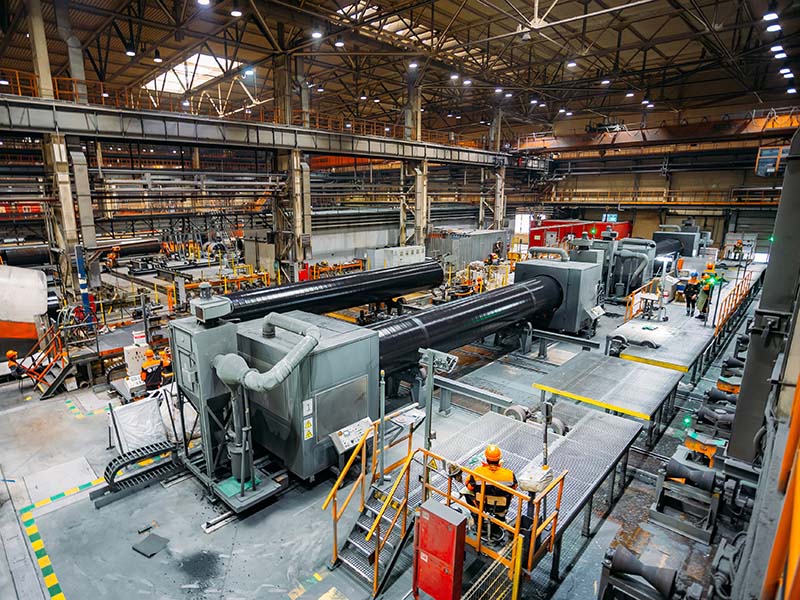
Industrial process systems form the backbone of modern manufacturing, energy generation, and chemical processing. From power plants and petrochemical refineries to hospitals and universities, these systems are engineered to manage complex physical and chemical processes with precision, safety, and long-term dependability. Whether handling hazardous gases, controlling combustion equipment, or managing fluid pressure, well-designed process systems keep operations running smoothly around the clock.
Importance of reliable industrial process systems
At the heart of any industrial facility lies the need to monitor and control variables such as pressure, temperature, flow, and chemical composition. Every application presents unique requirements, and experienced engineers must systematically analyze these conditions to develop solutions that are both technically sound and cost-effective. Thoughtfully engineered industrial process systems not only improves operational efficiency but also protects personnel, equipment, and the surrounding environment from the risks inherent in industrial operations.
Reliable industrial process systems are the foundation of safe, efficient, and productive operations across manufacturing, energy, chemical processing, utilities, and many other sectors. These systems are designed to control, monitor, and optimize complex industrial functions while reducing downtime and maintaining consistent performance. When properly engineered, they help businesses improve output quality, lower operating costs, and meet strict safety and environmental requirements.
A dependable industrial process system typically combines automation controls, instrumentation, piping assemblies, electrical panels, fabricated skids, and integrated monitoring solutions into one coordinated setup. Rather than relying on separate components that may not communicate effectively, a complete system ensures all equipment works together seamlessly. This improves accuracy, speeds up response times, and allows operators to make informed decisions in real time.
Industrial process systems are not confined to a single sector. The same engineering disciplines that protect a power generation facility also serve petrochemical plants, food processing operations, cement manufacturing, pulp and paper production, and institutional facilities. What unites them all is a commitment to building equipment that performs reliably, operates safely, and stands the test of time.
Reliability begins with thoughtful engineering and careful design. Every facility has unique production goals, operating conditions, and compliance standards. Strong process systems are therefore customized to suit the exact application instead of using a one-size-fits-all approach. From concept development and detailed documentation to fabrication and final commissioning, each phase plays a role in long-term performance. Companies that invest in quality planning often experience fewer breakdowns and smoother operations.
Durability is another essential factor. Industrial environments can involve heat, vibration, pressure, moisture, corrosive materials, or nonstop production schedules. Equipment used in these settings must be built from high-quality materials and assembled to rigorous standards. Well-manufactured systems are easier to maintain, safer to operate, and more capable of delivering steady results over time. Many leading providers also follow recognized quality standards such as ISO-certified processes to maintain consistency.
Modern industrial process systems also support efficiency through automation. Advanced controls can regulate flow rates, temperature, pressure, emissions, and other critical variables with precision. This reduces waste, conserves energy, and minimizes human error. In many cases, automation also provides valuable data that helps companies plan maintenance, prevent failures, and improve future performance.
